

Your machines work. Your warehouse does not.

MHE Integration

A vertical lift module, a sorter and a fleet of robots, each doing its job perfectly — and an order that still has to be assembled by somebody walking between them.

Not sure which solution fits? Talk it through with us, or put your own numbers into the calculator first.

You did the hard part already

Buying the equipment was the difficult decision. It arrived, it was commissioned, it does what the brochure said.

And then the order arrives that needs three lines from the lift, two from the sorter and one a picker has to fetch by hand — and nothing on the floor knows that those six lines are the same order.

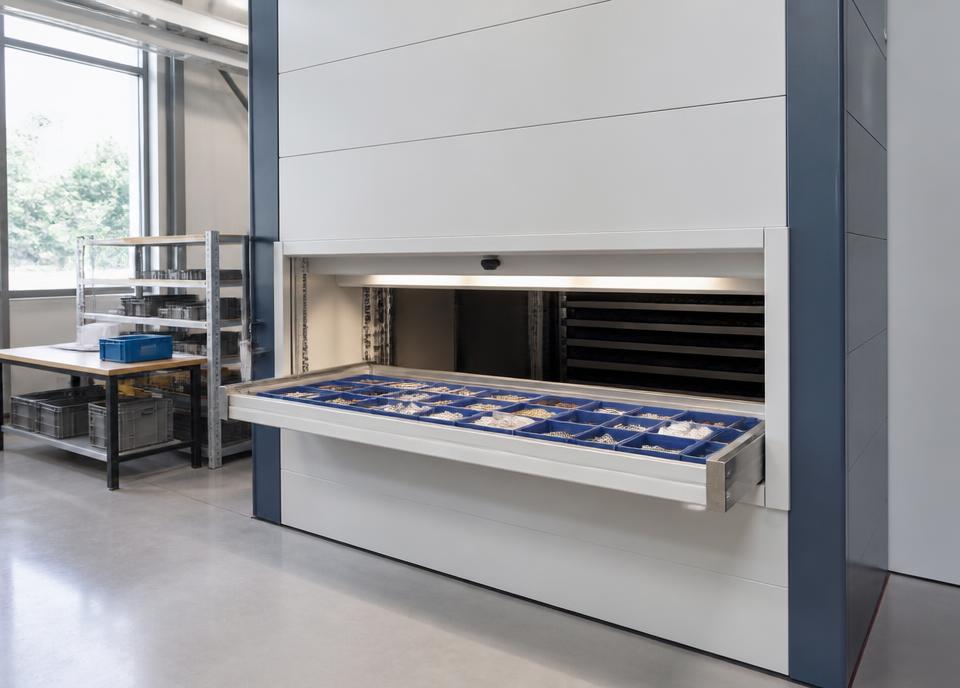
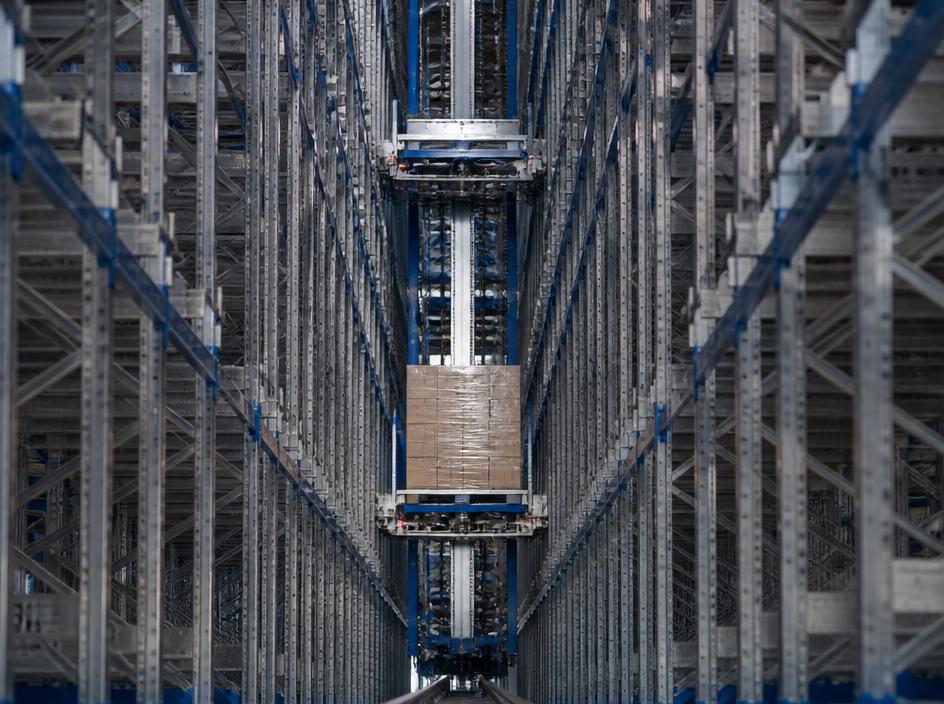
Vertical lift module presenting a tray

The lift knows about trays

It presents tray 47 perfectly. It has never heard of order 9912.
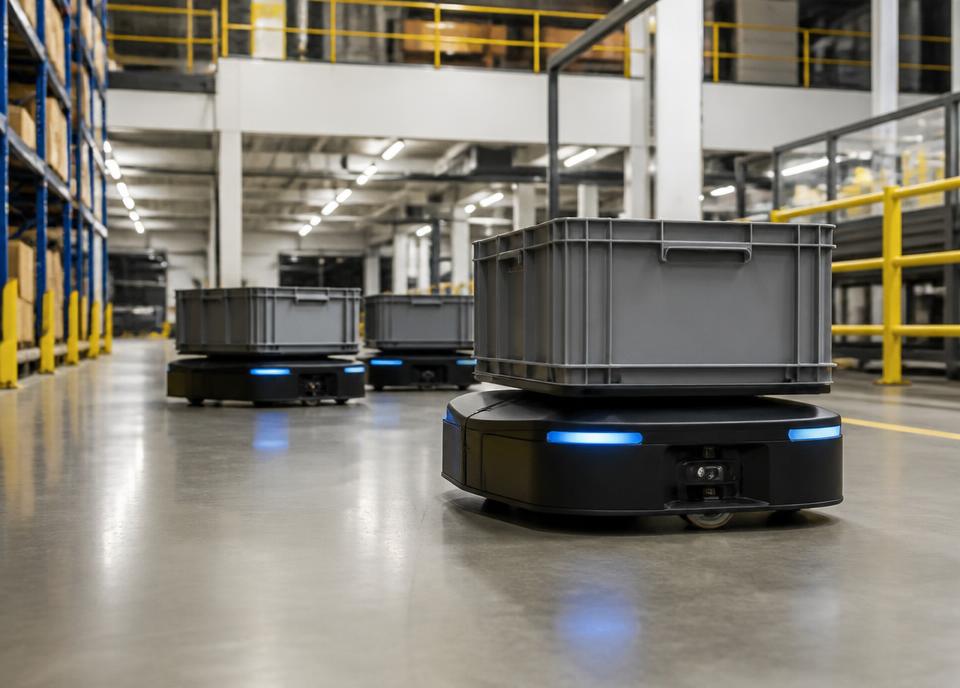
Autonomous mobile robots carrying totes

The robots know about routes

They move a tote from A to B. What is in it, and why, is somebody else's problem.
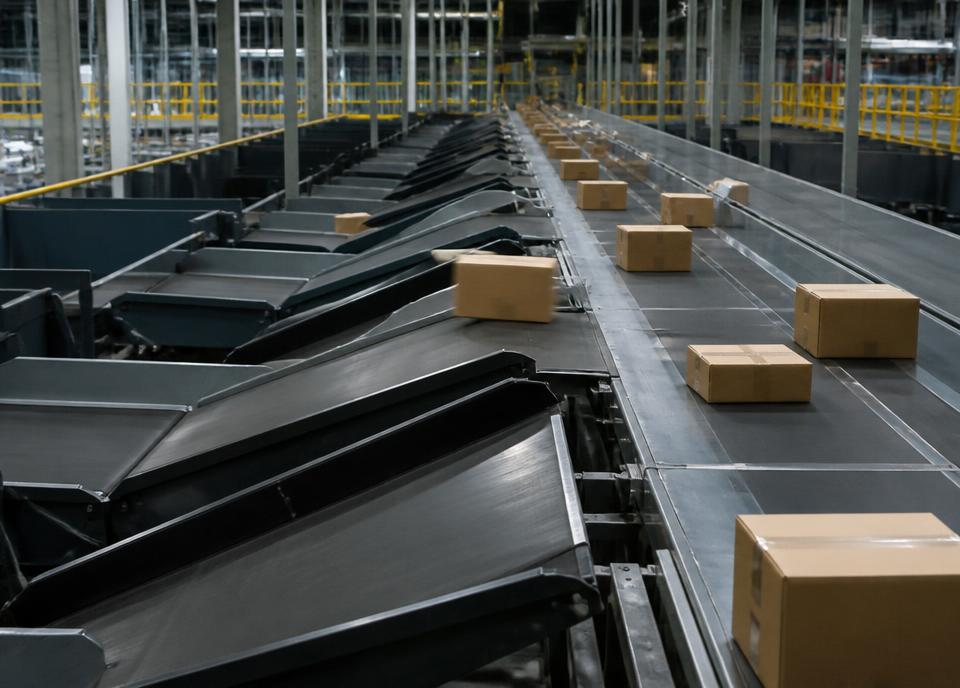
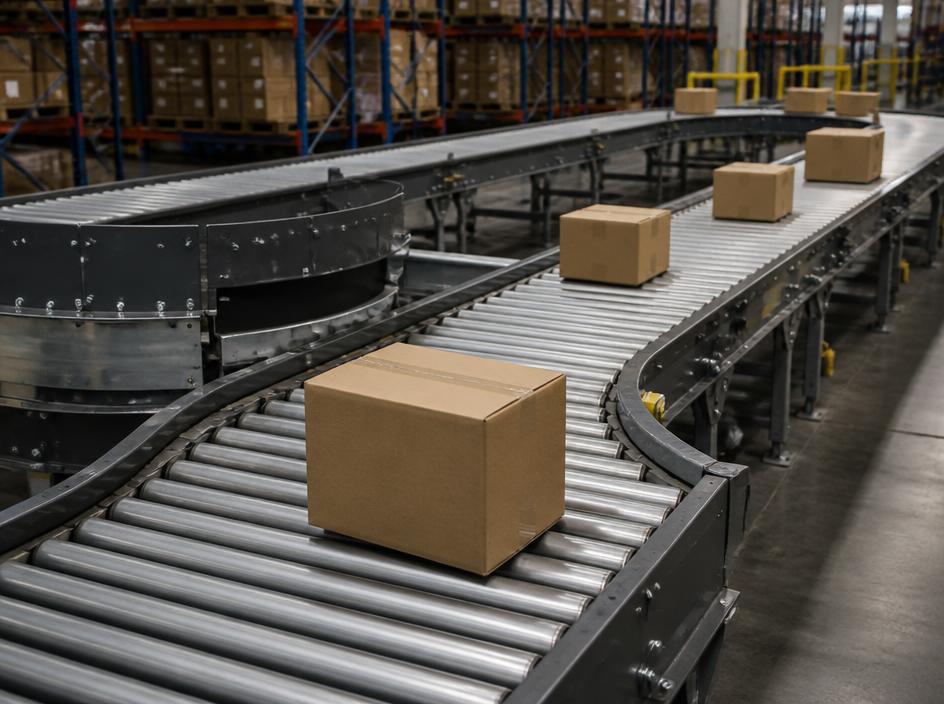
Sortation system diverting cartons into lanes

The sorter knows about diverts

Lane four, every time. Whether lane four was the right lane is not its question.

The work stops at the seams

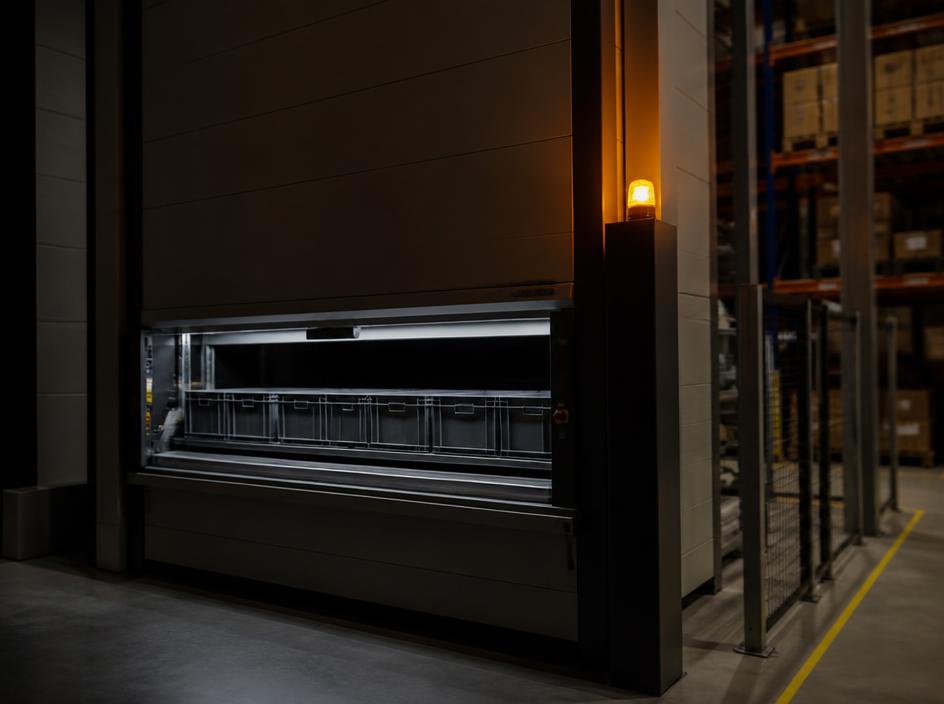
A stopped storage machine with a warning beacon lit

A machine goes down and the stock is inside it.

Half your fast movers are in a lift that stopped at ten past nine. Somebody has to decide, right now, which orders can still ship and which cannot. Today that somebody is a supervisor with a clipboard.
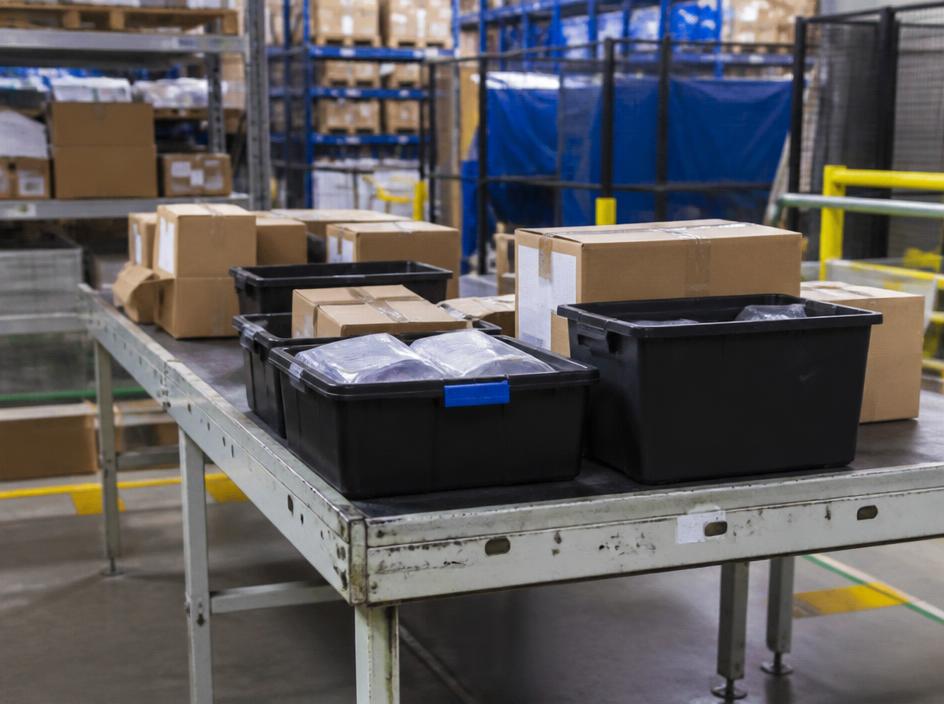
Totes and cartons waiting at a consolidation table

Two machines, one order, no sequence.

The lift finishes its lines in four minutes. The sorter finishes in eleven. The order sits at consolidation until both are done, and nothing decided which should have started first.
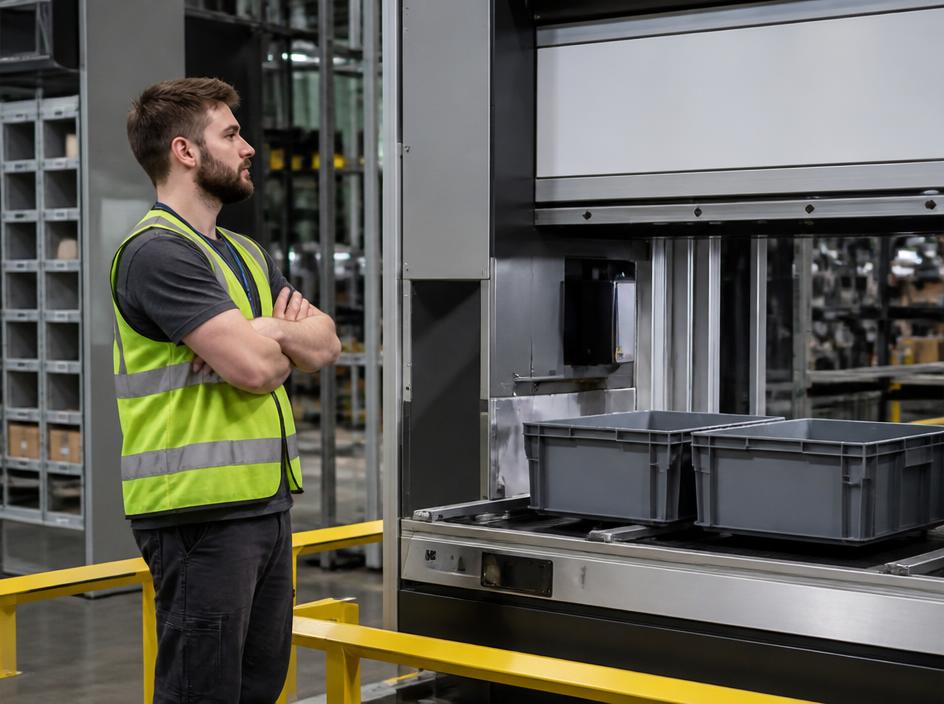
A warehouse operator waiting at a pick station

The picker is faster than the queue.

Your people wait at a presentation point because nothing balances the work across the resources you have.
A supervisor reconciling a printed stock list against a laptop

Three systems hold a stock number.

The WMS, the machine, and the spreadsheet that reconciles them on Friday afternoons.

You automated the picking and left the coordination manual. That is the most common reason an automation project underdelivers.

One system, not a collection

BizBloqs sits above every machine and every person on the floor. It releases the work, decides which resource takes each line, sequences the steps across systems, and owns the exception when one of them fails.

BizBloqs — orders, stock, execution

work release · resource assignment · sequencing · exceptions

Vertical lift module

its own controller

AMR fleet

its own controller

Sorter

its own controller

People on a screen

its own controller

The instruction is “present tray 47”. How the tray gets there stays with the machine — which is why any of them can be replaced without touching the rest.

Work release

Which orders go now, against the cut-off and what is available.

Resource assignment

Which machine or which person takes each line — and rebalancing when one falls behind.

Exception handling

Machine down, short pick, missing tote. A defined path, not a supervisor.

One view

What is open against the cut-off, across everything, on one screen.

Whatever you bought, we talk to it

We integrate at the machine's documented host interface. We do not drive motors and we do not sell equipment — the manufacturer's controller does that job better than we would.

Vertical lift modules
AS/RS and shuttle
AS/RS and shuttle
AMR and AGV
AMR and AGV
Conveyor
Conveyor
Sorters
Sorters
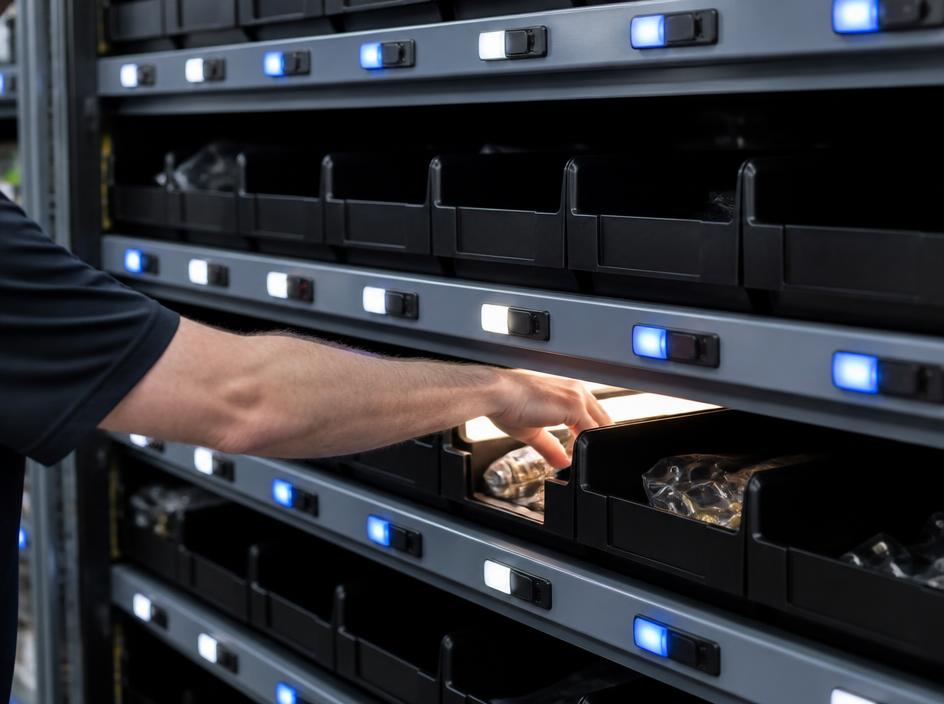
Pick-to-light and put-to-light
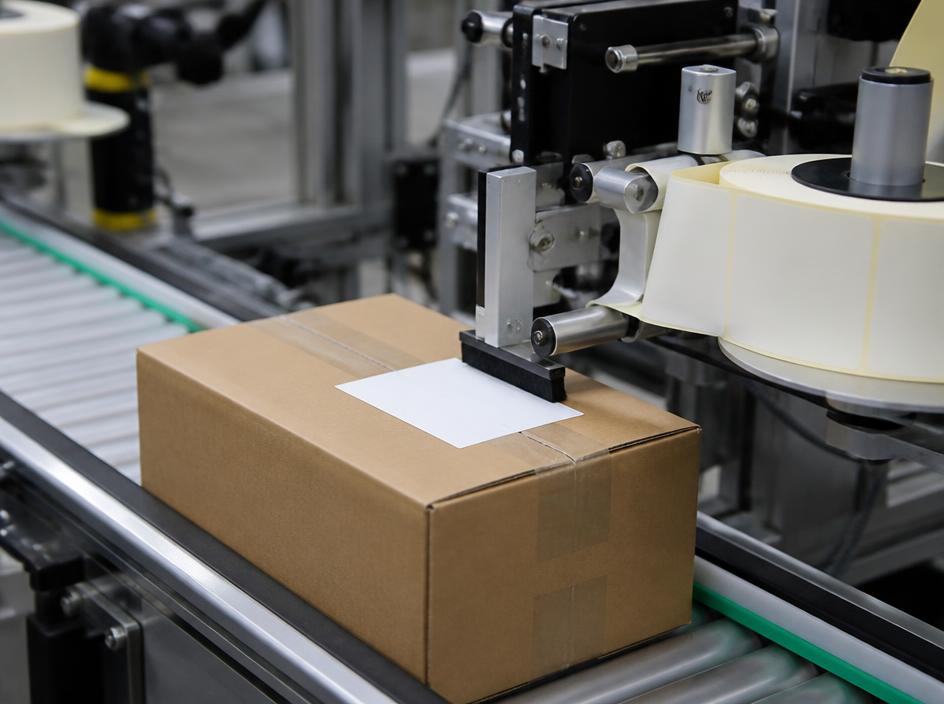
Print and apply
Print and apply
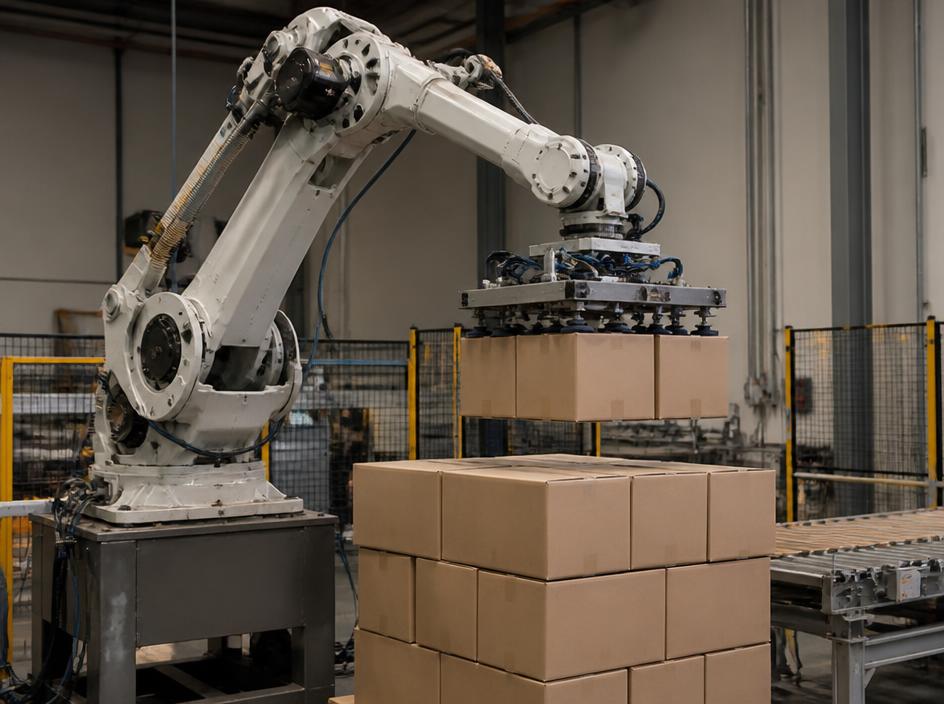
Palletisers
Palletisers

Buy the best machine for each job rather than one supplier's whole catalogue. That only works if something above them speaks to all of them.

We are not a WCS

A warehouse control system drives the machine — motors, sensors, milliseconds. That came with your equipment and it should stay there.

We are the layer above it: which order, which resource, in what sequence, and what to do when something fails. If a vendor tells you that you need a separate WCS as well, ask them what the machine's own controller is for.

One machine still has to be told what to pick and in what order, and plenty of WMS packages have no integration to it at all — so the work arrives on paper and the stock is counted twice. The BizBloqs WMS and the execution layer under it give you one stock position and one order flow, whether that is one machine or five. If the system you already run drives the machine and the numbers agree, you do not need us.

The long version of that argument — what automation actually costs, and why standard components almost always beat a bespoke system — is in the working paper Your warehouse is not special.

Hear directly from our customers

Why take our word for it? We let our customers convince you instead. BizBloqs customers are happy with their solutions and don’t hesitate to share their positive experiences. Our ability to turn any challenge into an efficient solution never fails to impress!

Caressi

Caressi logo
Five star rating

BizBloqs was one of the first to provide a WMS with scanning capabilities and we started a journey together. Our operations have gotten a lot more complex, advanced and especially bigger over the past 5 years and we have simply grown together.

Nick Bisselink, Financial/Operational Director

Lantaarn

Lantaarn logo
Five star rating

When we had extensive logistic requirements beyond the capabilities of our financial solution, BizBloqs shared its expertise to transform Lantaarn’s entire warehouse experience together

Lantaarn Publishers

Fairplant

Fairplant logo
Five star rating

We needed a better, more transparent and practical system for our incoming and outgoing product flow. A direct overview in our stock and all our logistics movements was really a must. BizBloqs helped us from the start!

Rik Klein - Sales manager

Neeltje Jans

Neeltje Jans logo
Five star rating

In addition to a scan procedure with EDI integration, BizBloqs has set up an entire production system for us. Production planning can provide direct instructions and as soon as they are ready, it all arrives in the OMS. This gives us a larger production capacity and a drastic reduction of the picking mistakes in dispatching.

Reinier Schot, Head of Production

In practice

No silent failures. If a job does not run, a message is not delivered or a machine does not respond, it is visible and loud. A system that fails quietly is worse than no system, because you trust it.

Ask any vendor

  1. Show me what happens when a machine stops mid-order. Not the alert — the decision.
  2. How does work rebalance when one resource falls behind?
  3. Which machine interfaces have you implemented? Show me the list.
  4. If I add a machine next year from a supplier you have not worked with — configuration or development?
  5. After this is installed, how many systems hold a stock quantity for the same item?

Question one separates a system that executes from a system that reports.

Common questions

Do I need a WCS or a WES?

The WCS came with your machines. What most operations are missing is the layer above it that coordinates across them.

Does this replace my WMS?

It does not have to. It runs under the warehouse system you already have, or directly under your ERP.

Which equipment do you support?

Anything with a documented host interface — vertical lift modules, shuttle and AS/RS, AMR, conveyor, sortation, light-directed picking, print and apply.

What happens when a machine goes down?

The work it was holding is rerouted rather than queued, and the orders affected are visible immediately rather than discovered at cut-off.

We only have one machine. Do we need this?

Possibly. One machine still needs to be told what to pick and in what order, and many WMS packages have no integration to it at all, which leaves the work on paper and the stock counted in two places. The BizBloqs WMS and the execution layer under it give you one stock position and one order flow, whether that is one machine or five. If the system you already run drives the machine and the numbers agree, you do not need us.

Machines that work together

Half an hour with an engineer, and a straight answer about whether we fit — including if we do not.

Two questions about your own operation

Book a demo